

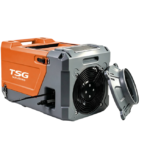
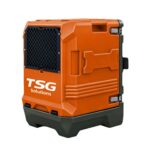
Buy LGR dehumidifiers built for water damage restoration and structural drying. Choose from five models, from the compact 30 L/day TS 30 to the 70 L/day TS 70, all with WiFi monitoring and an automatic drain pump. Trade pricing available.
Showing all 5 results

Which LGR dehumidifier do you need?
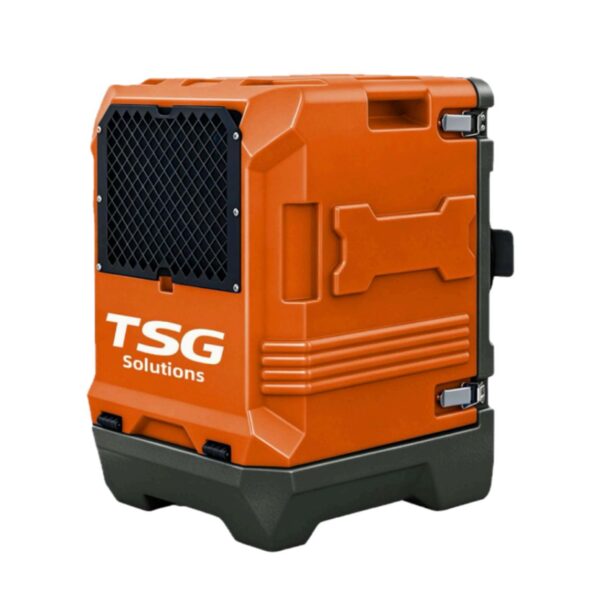
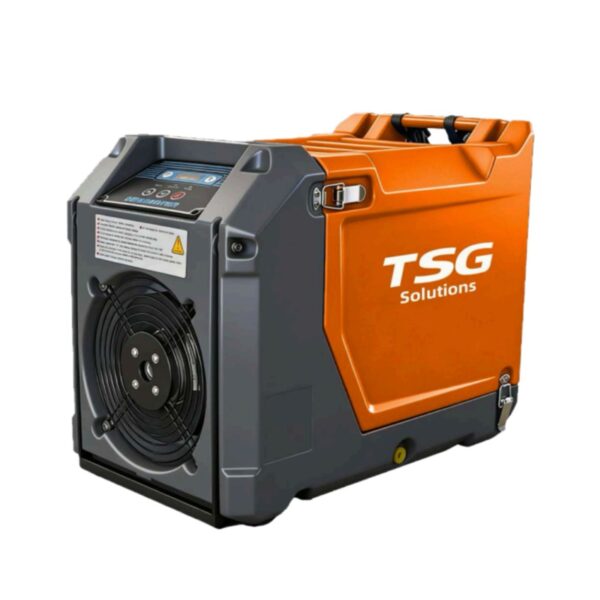
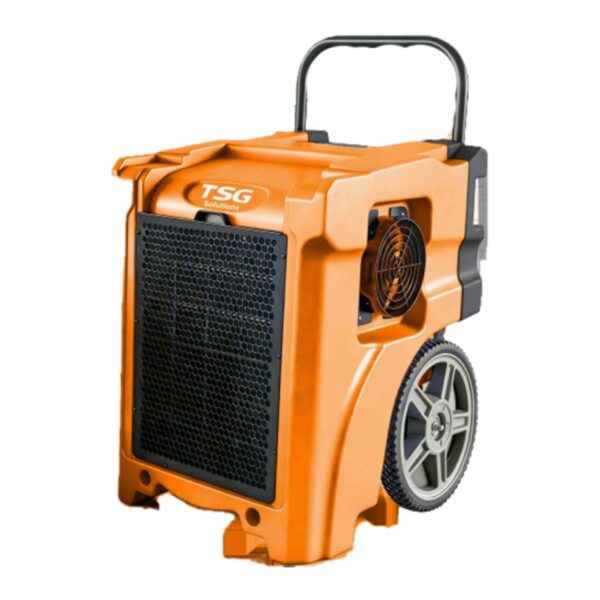
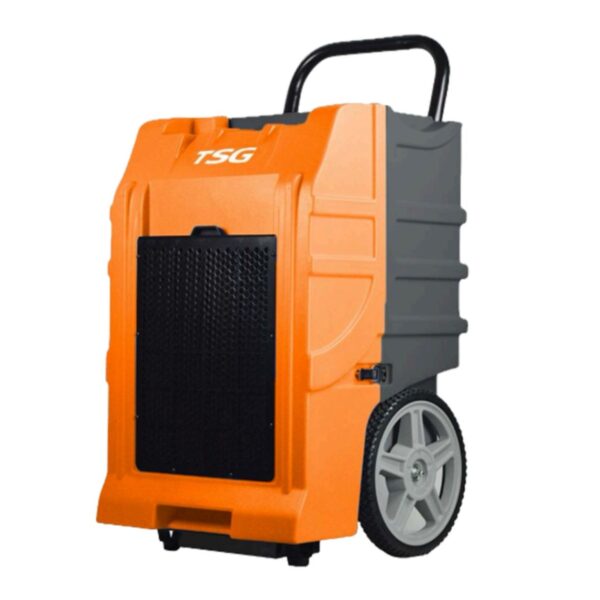
Match the unit to the size of the job. The compact TS 30, TS 35 and TS 45 suit apartments, single rooms and tight spaces. The upright TS 50 and TS 70 add capacity and large wheels for bigger homes and commercial losses.
Our most compact and portable LGR, for apartments and confined spaces.
- 30 L/day moisture removal
- 20.5 kg
- 2.7 A power draw
- Compact, stackable design
Compact and stackable, for residential jobs and small commercial spaces.
- Up to 35 L/day
- Covers 50–126 m³
- 22.5 kg
- 2.7 A power draw
More extraction in the same compact size.
- Up to 45 L/day
- Covers 57–144 m³
- 23.5 kg
- 2.3 A power draw
Upright unit with large wheels for larger residential and commercial jobs.
- Up to 55 L/day
- Covers 75–186 m³
- 35 kg
- 3.1 A power draw
Our highest-capacity LGR, for large losses and high moisture loads.
- Up to 70 L/day
- Covers 100–255 m³
- 39 kg
- 3.5 A power draw
Every model includes WiFi monitoring (TSG Smart Chip), an automatic drain pump, automatic humidity control, a washable filter and a stackable design.
LGR dehumidifier FAQs
LGR stands for Low Grain Refrigerant. An LGR dehumidifier keeps pulling moisture out of the air at lower humidity levels, where standard refrigerant dehumidifiers slow down. That’s why LGR units are the go-to choice for water damage restoration and structural drying, where wet timber, plaster and concrete need to be dried right out.
They’re used to dry out homes and commercial buildings after burst pipes, leaks, storms and floods, and for structural drying of walls, floors and subfloors. Restorers also use them on mould remediation and mould removal jobs to keep humidity down, and to control moisture in basements, storage facilities and boats.
Match the unit to the space and how wet it is. The compact TS 30 and TS 35 suit apartments, single rooms and tight spaces, the TS 45 adds capacity in the same compact body, and the upright TS 50 and TS 70 handle larger homes, commercial floors and heavy water losses. Not sure? Contact us and we’ll help you choose.
It depends on the size of the affected area, how much water was involved and which materials got wet. Larger losses often need more than one unit, or an upright TS 50 or TS 70 working alongside air movers. Many restorers keep a mix of compact and upright units so they can scale up for bigger jobs.
No. Every model has an automatic drain pump for continuous drainage, so there’s no tank to empty during a drying job. The TS 30, TS 35 and TS 45 come with a 4.9 m drain hose, and the TS 50 and TS 70 with a 6 m hose.
Yes. All five models are WiFi-enabled with the TSG Smart Chip, so you can check on units without going back to site. That’s handy when you have drying jobs running at several properties at once.
All five models are rated to operate from 1°C to 36°C, so they keep working in cool subfloors, basements and unheated buildings.
Pair your dehumidifiers with air movers to speed up evaporation from wet carpet, floors and walls. On mould remediation jobs, add an air scrubber to capture airborne mould spores while you work.
Yes. Restoration businesses can register for trade pricing using the link on any product page.