

ApplicationsWater damage and flood restoration equipment
Burst pipes, leaking appliances, storms and floods leave the same problem behind: wet carpet, floors, walls and subfloors that need to be dried before mould takes hold. The right water damage restoration equipment pulls moisture out of the building itself, not just the surface.
Air movers speed up evaporation from wet materials, and LGR dehumidifiers remove that moisture from the air. On contaminated water jobs, a HEPA air scrubber captures airborne particles while you work.
Recommended equipmentRecommended equipment for water damage jobs
Start with air movers and LGR dehumidifiers working together, then scale up with larger units for bigger losses.
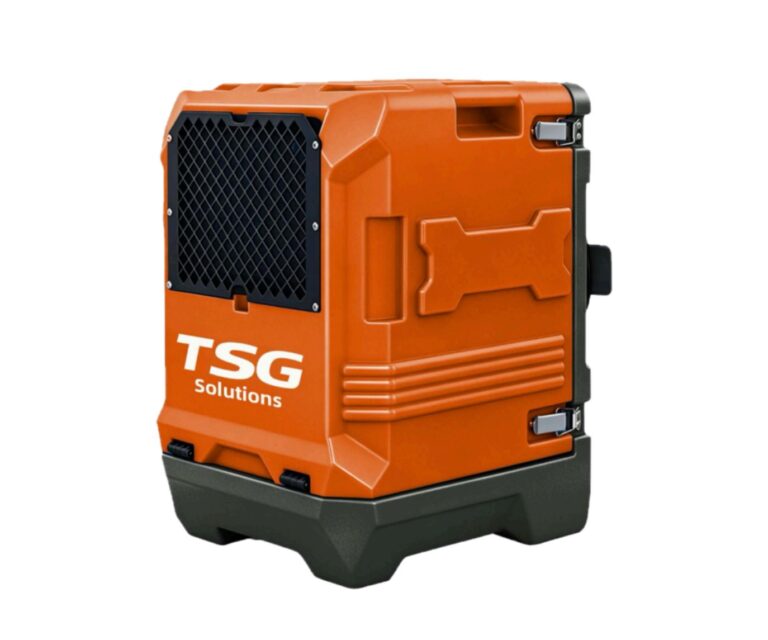
Compact and stackable, for leaks in apartments, bathrooms and single rooms.
- Up to 35 L/day
- Covers 50–126 m³
- 22.5 kg
- 2.7 A power draw
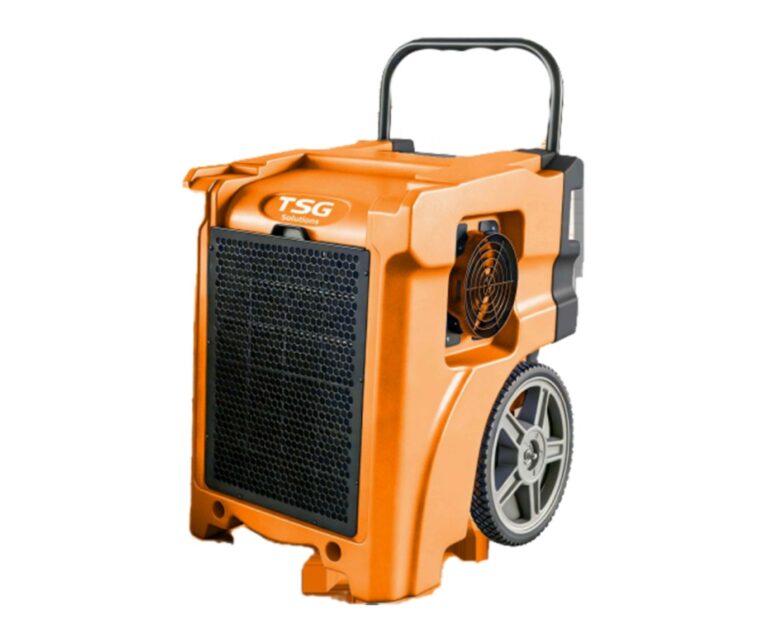
Upright unit with large wheels, for larger homes and commercial water damage.
- Covers 75–186 m³
- Large wheels for transport
- 35 kg
- 3.1 A power draw
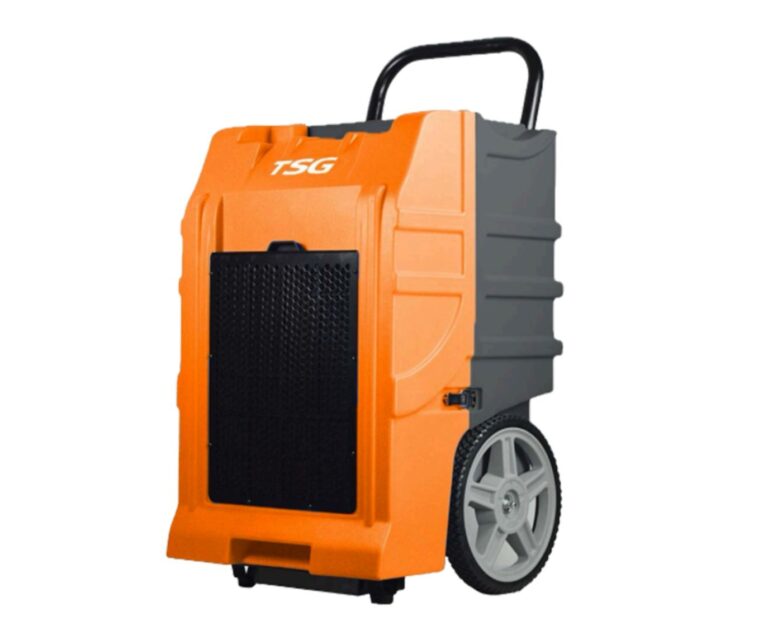
Our highest-capacity LGR, for flooded buildings and heavy water losses.
- Up to 70 L/day
- Covers 100–255 m³
- 39 kg
- 3.5 A power draw
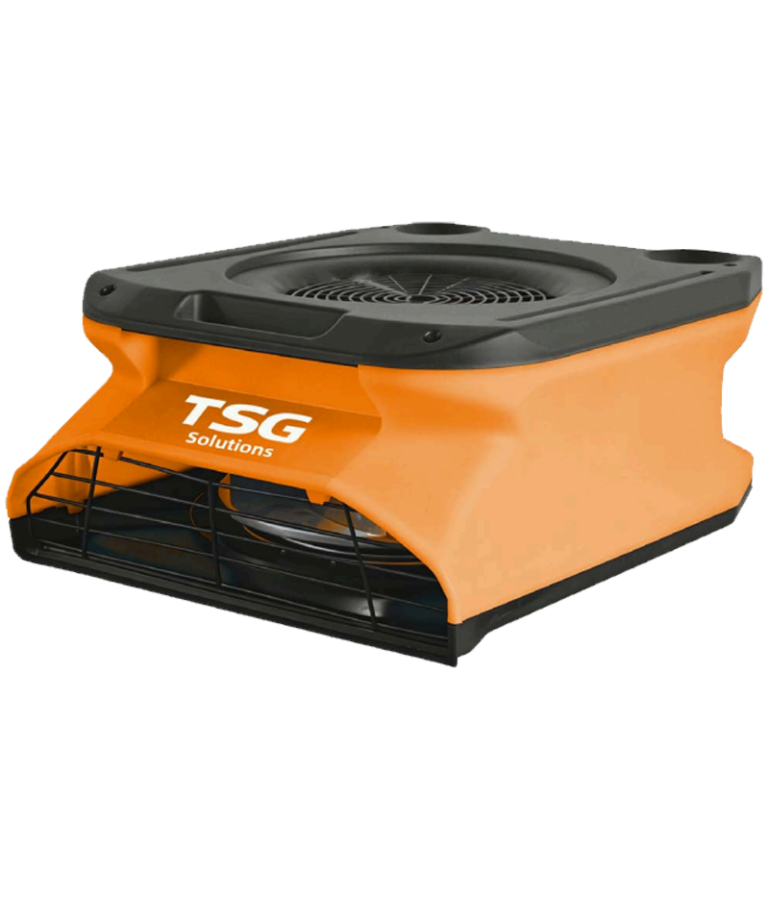
Low-profile air mover to set up in numbers across wet carpet and floors.
- 900 CFM
- 0.7 / 0.9 A power draw
- 9.5 kg
- 2 speeds, 3 positions
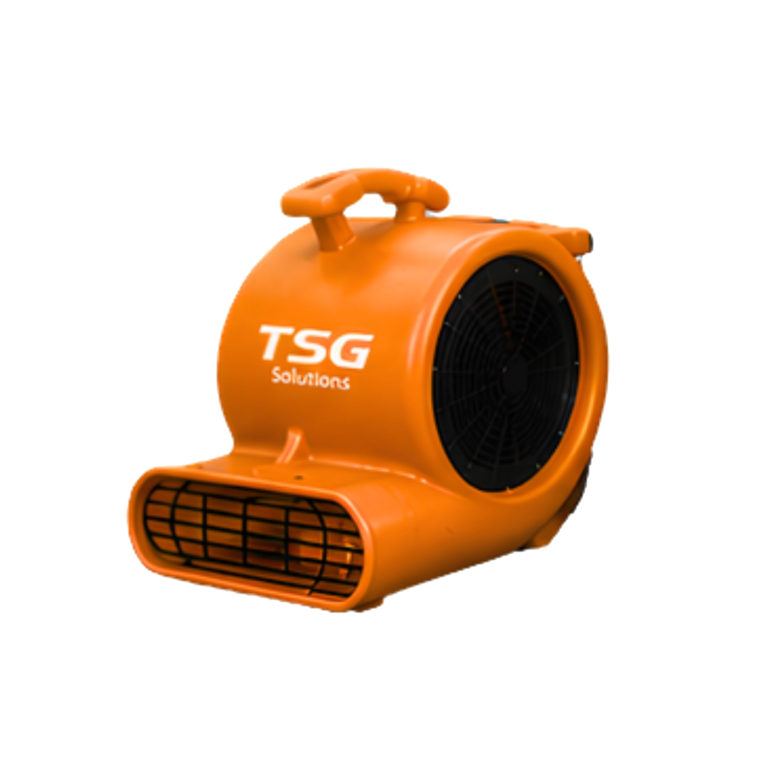
Centrifugal airflow for drying under carpet and along wet walls, with a carpet clamp included.
- 1,050 CFM
- 2.3 / 2.7 / 3.2 A power draw
- 14.5 kg
- Carpet clamp included
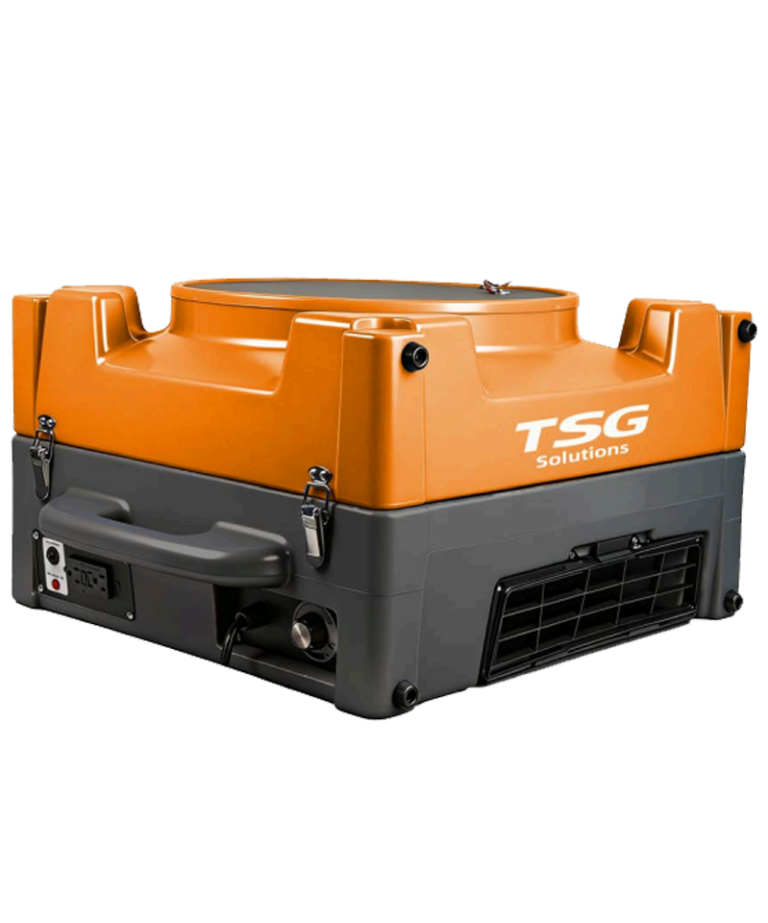
H13 HEPA air scrubber for capturing airborne contaminants on contaminated water jobs.
- 800 CFM
- Covers up to 200 m³
- 16.5 kg
- 0.7 A power draw
Drying processHow a water damage drying setup works
1. Extract and assess
Remove standing water first, then take moisture readings in floors, walls and subfloors to see how far the water has travelled.
2. Move the air
Place air movers along wet walls and across carpet so air flows over every wet surface. A centrifugal air mover with a carpet clamp dries under carpet and underlay.
3. Remove the moisture
Run LGR dehumidifiers to pull evaporated moisture out of the air, with continuous drainage from the automatic drain pump. Keep checking readings until materials are dry.
FAQsWater damage restoration equipment FAQs
A typical water damage setup uses air movers to speed up evaporation and LGR dehumidifiers to remove moisture from the air. On contaminated water jobs, or where mould is a risk, add an H13 HEPA air scrubber to capture airborne particles.
It depends on the size of the affected area, how much water was involved and which materials are wet. Larger losses need more air movers placed around wet walls and floors, and enough dehumidifier capacity to handle the moisture they release. Contact our team and we’ll help you plan a setup.
Many residential jobs dry within a few days, but dense materials like hardwood, concrete and subfloors can take longer. Taking moisture readings each day shows you when materials are dry and the equipment can come out.
LGR (Low Grain Refrigerant) dehumidifiers keep removing moisture at lower humidity levels, where standard refrigerant units slow down. That’s what you need to dry timber, plaster and concrete right through.
Yes. Every TSG LGR dehumidifier has WiFi monitoring with the TSG Smart Chip, so you can check on units across several job sites without going back to each one.
No. Each LGR dehumidifier has an automatic drain pump for continuous drainage, so units can keep running through a drying job without anyone emptying a tank.
Yes. Restoration businesses can apply for a trade account to unlock trade pricing across the range. Once you’re approved, you’ll see trade prices whenever you’re logged in.
ApplicationsMore restoration applications
Get startedGet your water damage fleet ready
Talk to the Trade Select Group team about the right drying setup for your water damage jobs, or apply for a trade account to unlock trade pricing.