

ApplicationsMould remediation and removal equipment
Removing mould disturbs spores, and those spores travel. Mould remediation relies on containment, negative air and HEPA filtration to stop contamination spreading into clean parts of the building while you work.
Once the mould is gone, controlling moisture stops it coming back. LGR dehumidifiers dry out affected materials and keep humidity down after remediation.
Recommended equipmentRecommended mould remediation equipment
Pair an H13 HEPA air scrubber sized to the space with containment supplies, replacement filters and a dehumidifier.
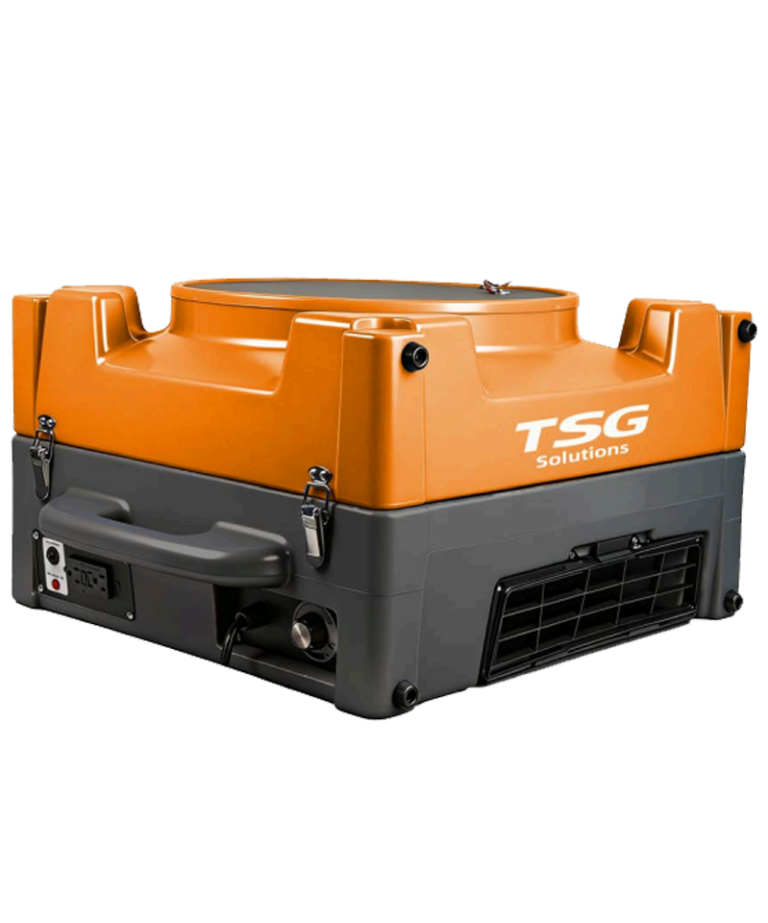
Portable H13 HEPA air scrubber for residential mould removal and smaller containments.
- 800 CFM
- Covers up to 200 m³
- 16.5 kg
- 0.7 A power draw
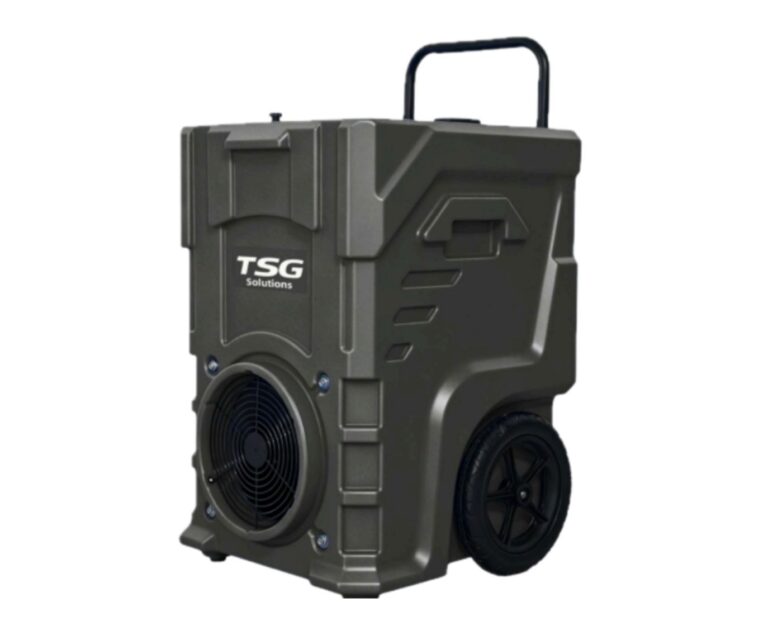
Commercial mould remediation, with an oversized HEPA filter and a pressure gauge.
- 1,200 CFM
- Covers 200–370 m³
- 36 kg
- Built-in pressure gauge
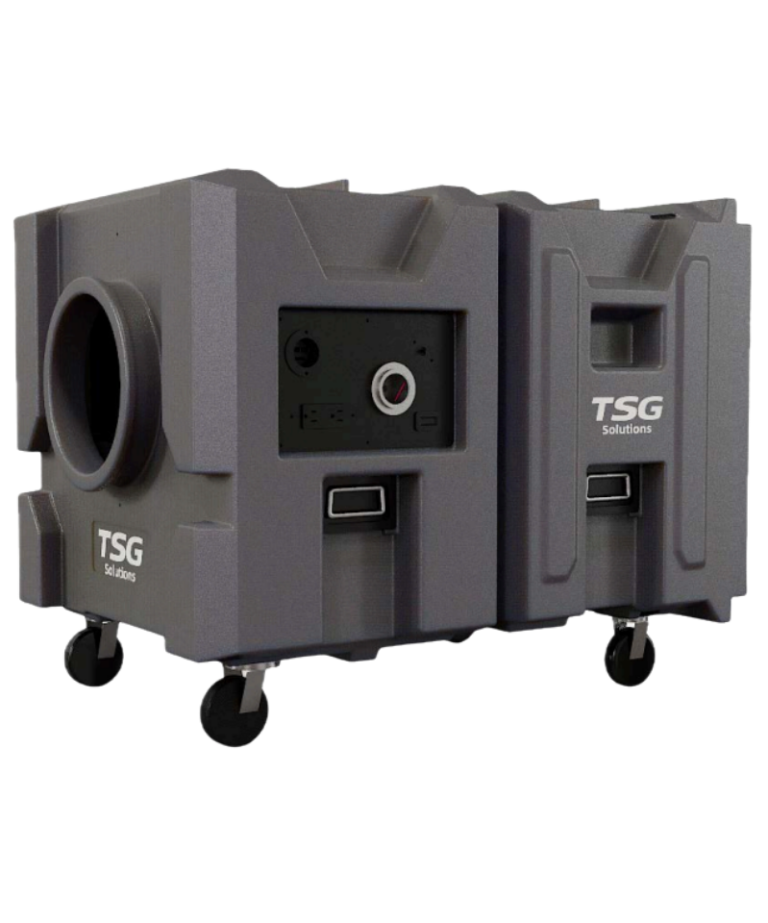
Our highest-capacity air scrubber, for large commercial and industrial jobs.
- 2,000+ CFM
- Covers 340–570 m³
- 58 kg, 1.5HP motor
- Built-in pressure gauge
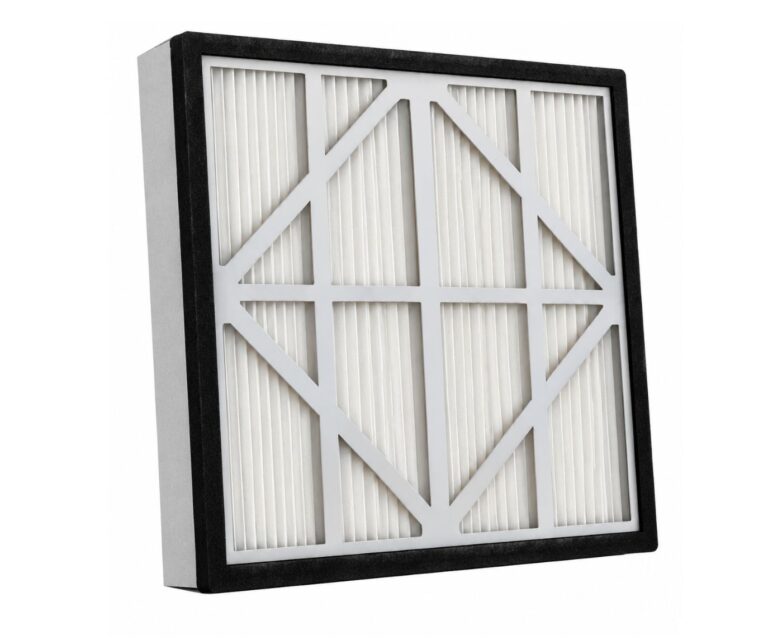
Replacement H13 HEPA filters that capture 99.97% of airborne particles, including mould spores.
- Captures 99.97% of airborne particles
- Traps mould spores and fine dust
- Fits TS AFD 800, 1200 and 2000
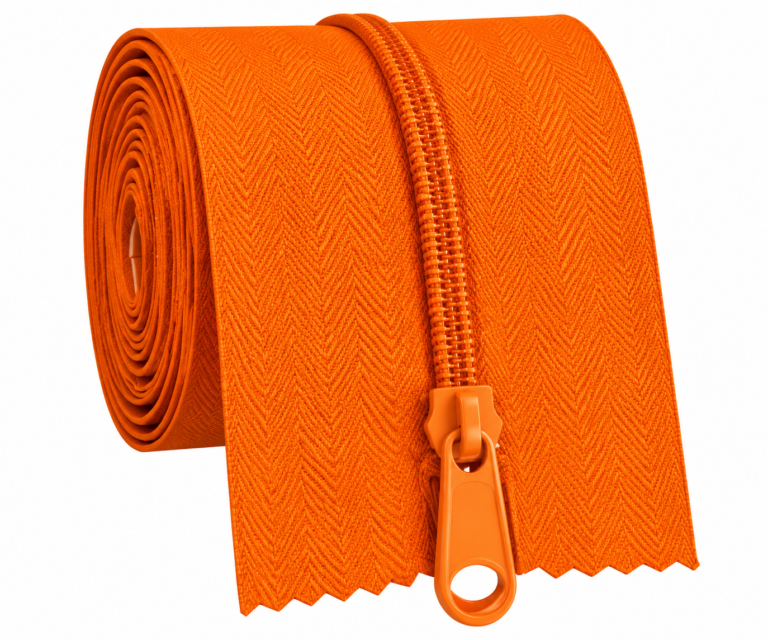
Zippered entry points so your team can get in and out without breaking containment.
- Quick-access entry points
- Keeps containment sealed
- Packs of 2 or boxes of 100
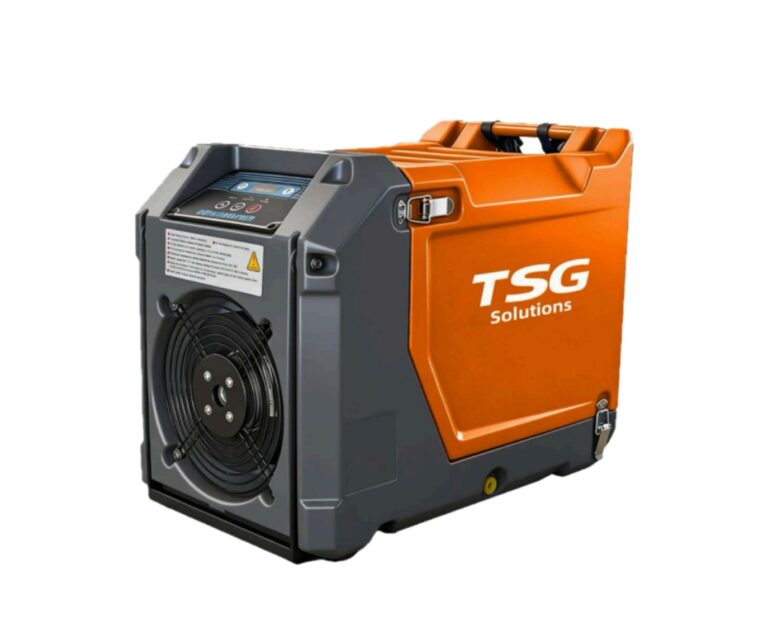
Compact LGR dehumidifier to bring humidity down during and after remediation.
- Up to 45 L/day
- Covers 57–144 m³
- 23.5 kg
- 2.3 A power draw
Remediation processHow to set up for mould remediation
1. Set up containment
Seal the work area with plastic sheeting and fit containment zippers for access, so spores stay inside the work zone.
2. Run negative air
Run an H13 HEPA air scrubber in negative air mode so air flows into the containment, not out of it, while the filters capture spores.
3. Dry and control humidity
After removal, run LGR dehumidifiers to dry materials and keep humidity low so mould doesn’t return.
FAQsMould remediation equipment FAQs
Most mould remediation jobs use containment (plastic sheeting and zippers), an H13 HEPA air scrubber to capture airborne spores and run negative air, and a dehumidifier to dry materials and control humidity.
It pulls air through a G4 pre-filter and an H13 HEPA filter, capturing 99.97% of airborne particles, including mould spores. Running it in negative air mode helps stop spores escaping the containment area.
Negative air means more air is being drawn out of the containment than is coming in, so air flows into the work area through gaps rather than out of it. Our air scrubbers can run negative, neutral or positive air.
Match the unit to the size of the space. The TS AFD 800 covers up to 200 m³ for residential jobs, the TS AFD 1200 covers 200–370 m³ for commercial work, and the TS AFD 2000 covers 340–570 m³ for large commercial and industrial jobs.
It depends on how contaminated the air is and how long the unit runs. The G4 pre-filter catches larger particles first and is changed more often, which extends the life of the H13 HEPA filter. We stock G4 pre-filters and H13 HEPA filters for every model.
Yes. Mould needs moisture to grow. Running an LGR dehumidifier after remediation brings humidity down and dries out materials, which makes it much harder for mould to return.
Yes. Restoration businesses can apply for a trade account to unlock trade pricing across the range. Once you’re approved, you’ll see trade prices whenever you’re logged in.
ApplicationsMore restoration applications
Get startedEquip your mould remediation team
Talk to the Trade Select Group team about air scrubbers, filters and containment for your mould remediation jobs, or apply for a trade account to unlock trade pricing.