

ApplicationsStructural drying equipment for walls, floors and subfloors
Structural drying is about getting moisture out of the building itself: wall cavities, timber framing, plaster, subfloors and concrete. Drying the surface isn’t enough. Moisture left inside materials leads to swelling, warping and mould.
It takes focused airflow to push air into and across those materials, and LGR dehumidifiers that keep working as the air gets drier. Our air movers cover everything from tight cavities to large open areas.
Recommended equipmentRecommended structural drying equipment
Pair centrifugal air movers for targeted drying with LGR dehumidifiers sized to the job.
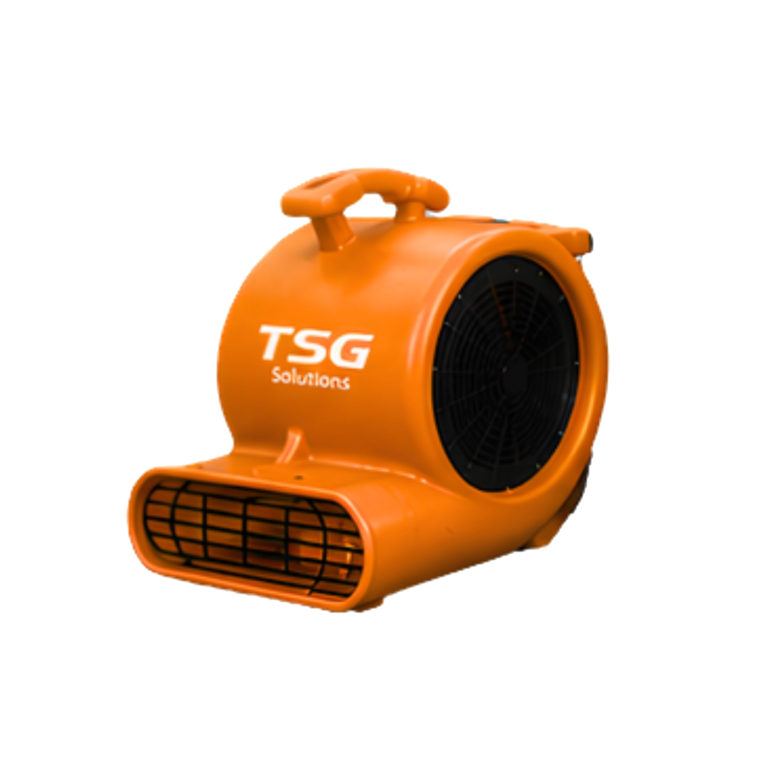
Focused, high-pressure airflow for wall cavities, subfloors and under carpet.
- 1,050 CFM
- 2.3 / 2.7 / 3.2 A power draw
- 14.5 kg
- Carpet clamp included
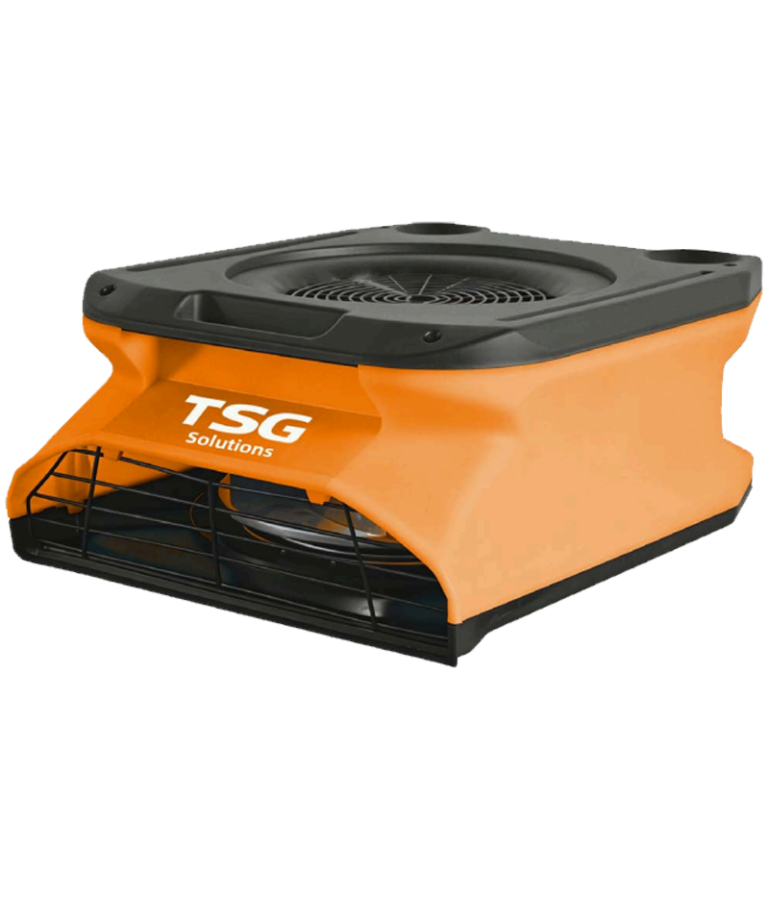
Low-profile unit to set up in numbers along wet walls and floors.
- 900 CFM
- 0.7 / 0.9 A power draw
- 9.5 kg
- 2 speeds, 3 positions
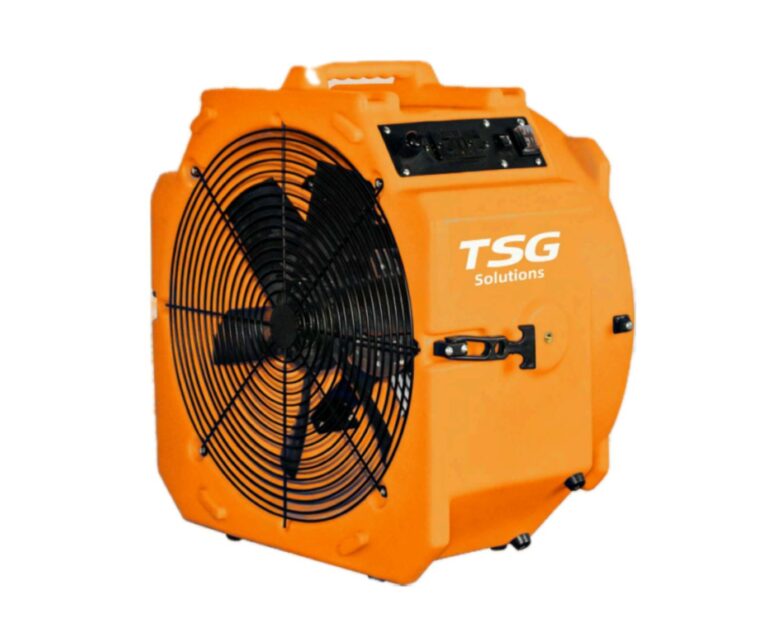
Moves 4,000 CFM to keep air circulating through large rooms and open areas.
- 4,000 CFM
- 0.9 / 1.3 A power draw
- 14 kg
- Sealed motor
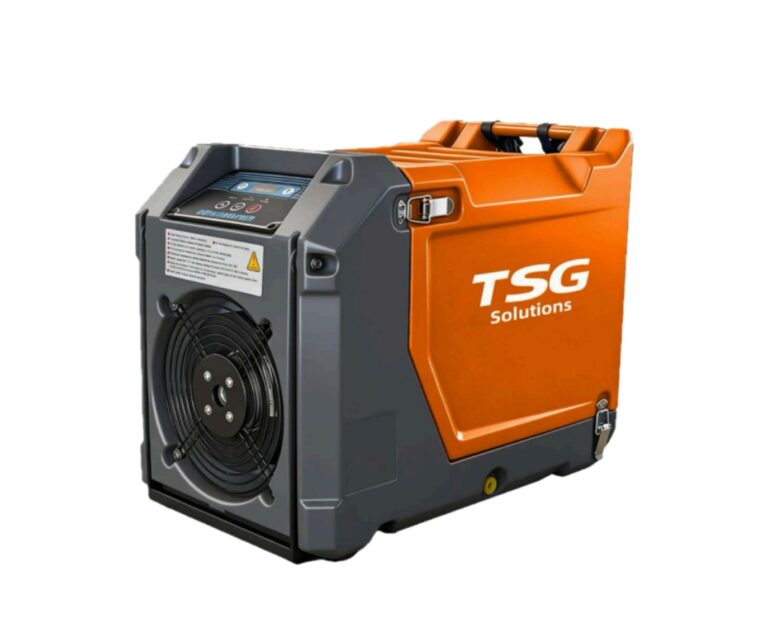
Compact LGR with more extraction, for rooms and apartments.
- Up to 45 L/day
- Covers 57–144 m³
- 23.5 kg
- 2.3 A power draw
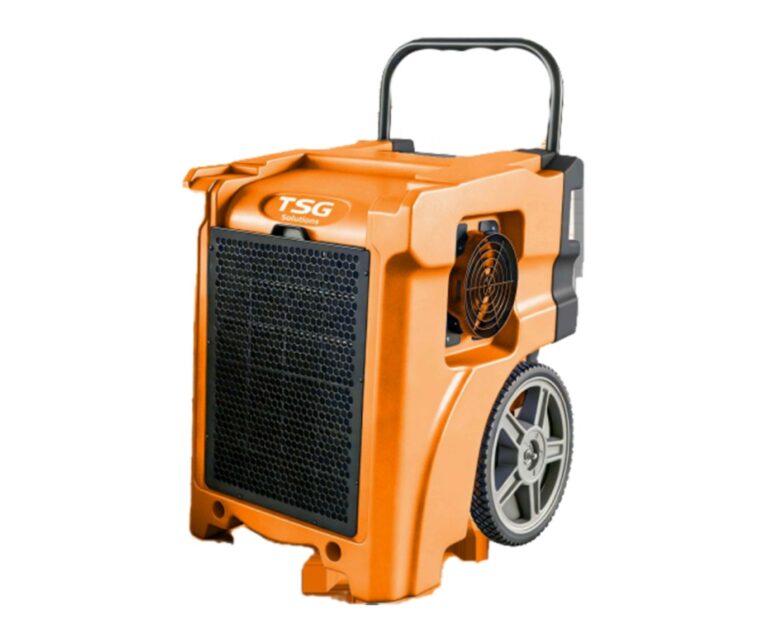
Upright LGR with large wheels, for larger homes and commercial jobs.
- Covers 75–186 m³
- Large wheels for transport
- 35 kg
- 3.1 A power draw
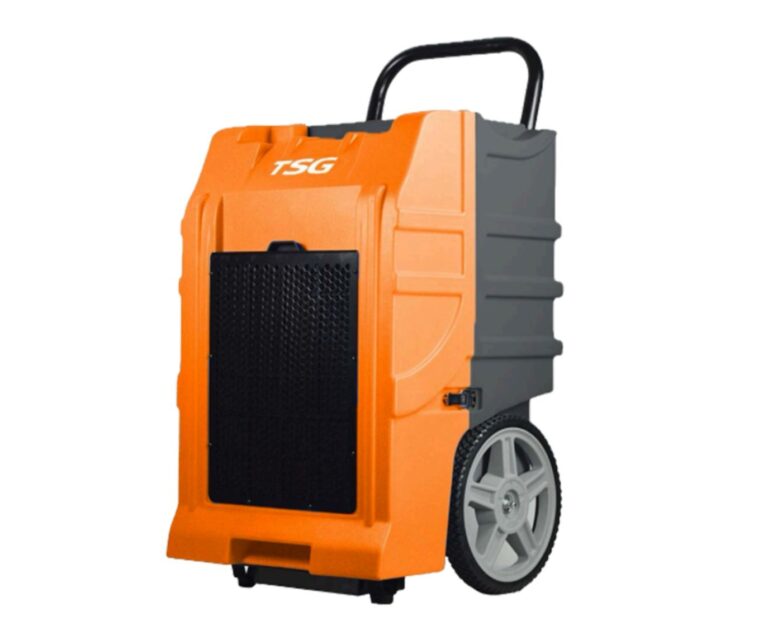
Our highest-capacity LGR, for large structural drying jobs.
- Up to 70 L/day
- Covers 100–255 m³
- 39 kg
- 3.5 A power draw
Drying processHow to set up a structural drying job
1. Map the moisture
Use moisture meters to find wet walls, floors and framing, and record readings so you can track drying progress.
2. Direct the airflow
Aim centrifugal air movers at wet walls and into cavities, subfloors and under carpet. Use axial units to keep air moving through larger spaces.
3. Control the humidity
LGR dehumidifiers remove the moisture released from materials and keep humidity low so drying doesn’t stall. Check readings daily until materials are dry.
FAQsStructural drying FAQs
Structural drying removes moisture from the building materials themselves, such as timber framing, plaster, subfloors and concrete, after water damage. Air movers and dehumidifiers work together to bring materials back to their normal moisture levels.
Air movers create airflow over and into wet materials, and LGR dehumidifiers remove the evaporated moisture from the air. Centrifugal air movers like the TS AM15 are best for directing air into walls, subfloors and carpet.
Centrifugal air movers produce a focused, higher-pressure airstream that suits walls, carpet and cavities. Axial air movers move a larger volume of air (the TS AM20 moves 4,000 CFM), so they’re better for circulating air through large open spaces.
As materials dry, the air gets drier too, and standard refrigerant dehumidifiers slow down. LGR units keep pulling moisture out at lower humidity levels, which helps you finish the job.
Restorers often direct airflow into the cavity through small access holes or behind skirting boards, so moist air can escape while dehumidifiers keep the room dry. Centrifugal air movers suit this kind of targeted drying.
Yes. Our LGR dehumidifiers are rated to operate from 1°C to 36°C, so they keep working in cool subfloors, basements and unheated buildings.
Yes. Restoration businesses can apply for a trade account to unlock trade pricing across the range. Once you’re approved, you’ll see trade prices whenever you’re logged in.
ApplicationsMore restoration applications
Get startedSet up for structural drying
Talk to the Trade Select Group team about the right air movers and dehumidifiers for your structural drying jobs, or apply for a trade account to unlock trade pricing.