

ApplicationsFire and smoke damage restoration equipment
After a fire, the damage spreads well beyond what burned. Smoke and fine soot particles move through the building, and odours, gases and volatile compounds linger in the air and in porous materials.
HEPA air scrubbers capture fine soot particles, and carbon filters absorb smoke odours and gases. Because most fires are put out with water, you’ll often need air movers and dehumidifiers too.
Recommended equipmentRecommended fire and smoke restoration equipment
Fit your air scrubbers with carbon filters for odour control, and bring drying equipment for the water left behind.
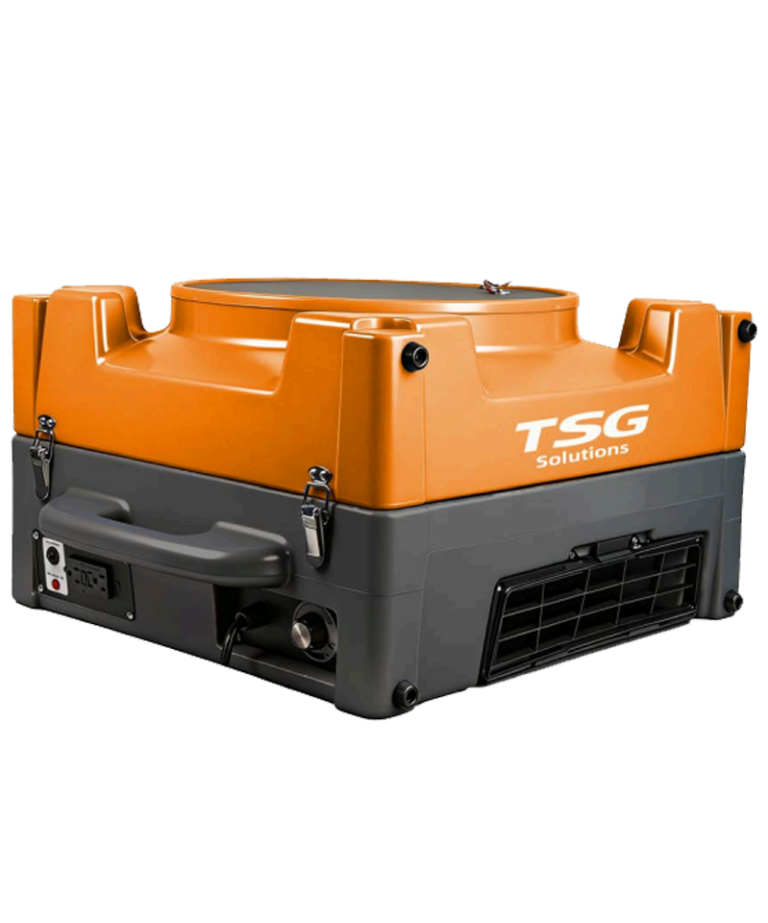
Portable air scrubber that takes H13 HEPA and carbon filters, for residential fire jobs.
- 800 CFM
- Covers up to 200 m³
- 16.5 kg
- 0.7 A power draw
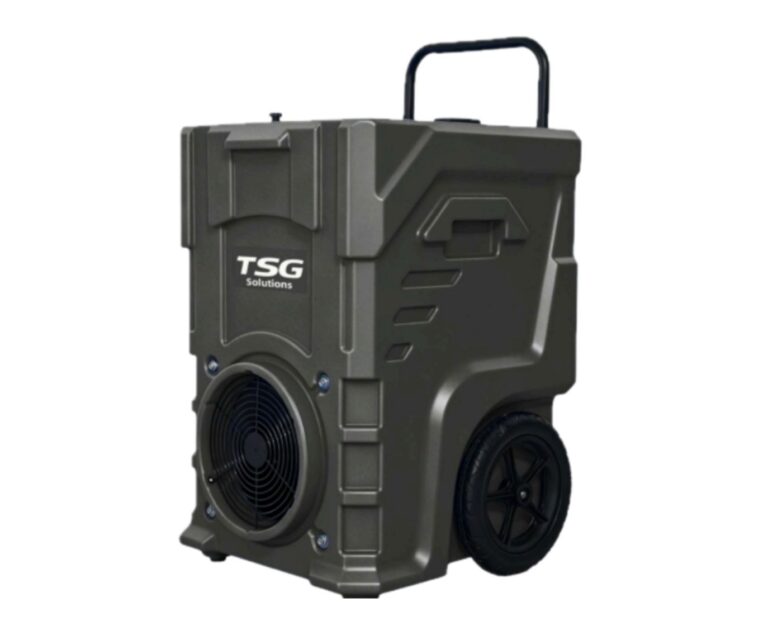
Commercial air scrubber with an oversized HEPA filter and a carbon filter option.
- 1,200 CFM
- Covers 200–370 m³
- 36 kg
- Built-in pressure gauge
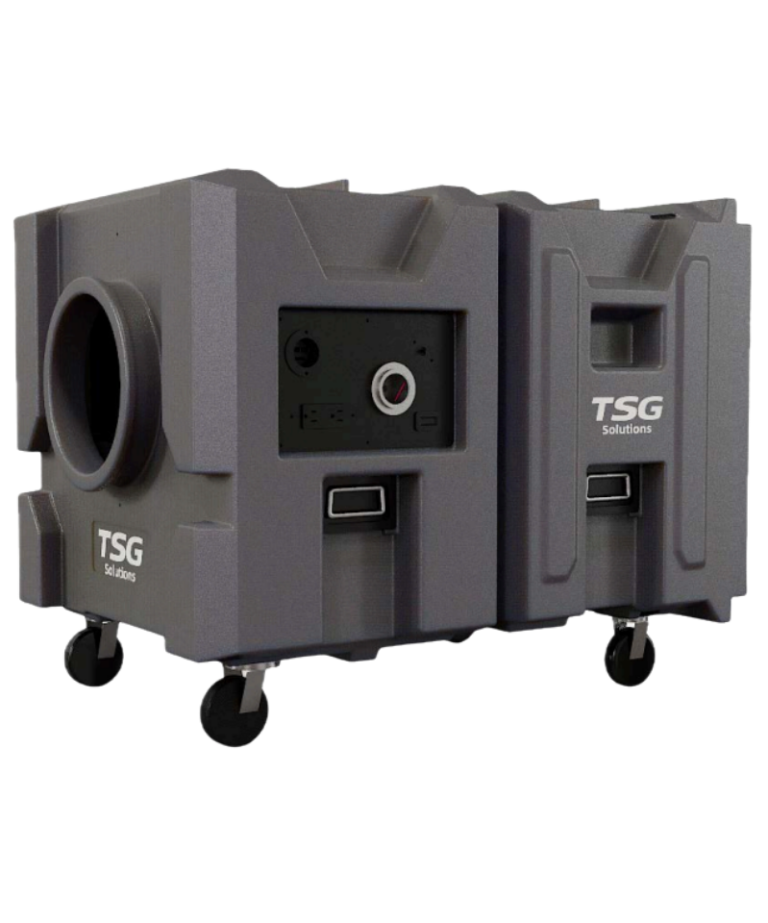
Our highest-capacity air scrubber, for large commercial and industrial fire losses.
- 2,000+ CFM
- Covers 340–570 m³
- 58 kg, 1.5HP motor
- Built-in pressure gauge
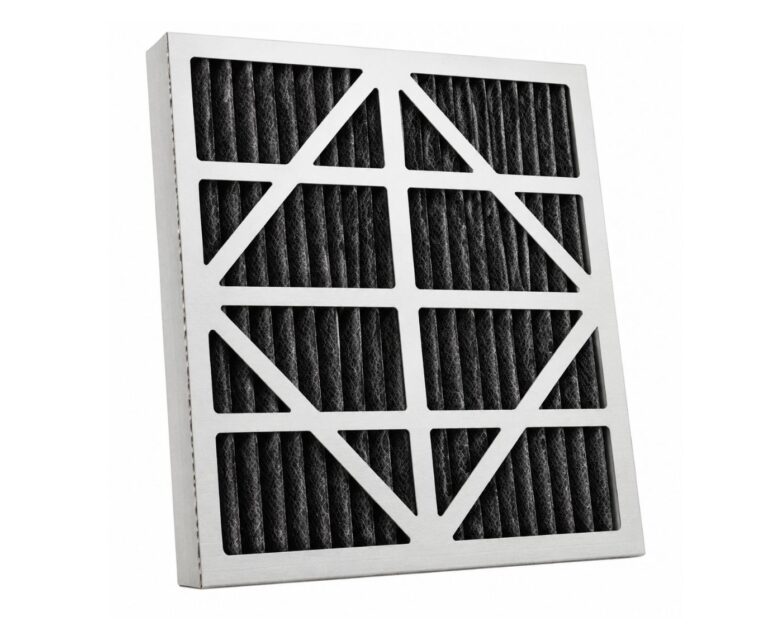
Activated carbon filters that absorb smoke odours, gases and volatile compounds.
- Removes odours, gases and VOCs
- For fire, smoke and mould jobs
- Fits TS AFD 800 and 1200
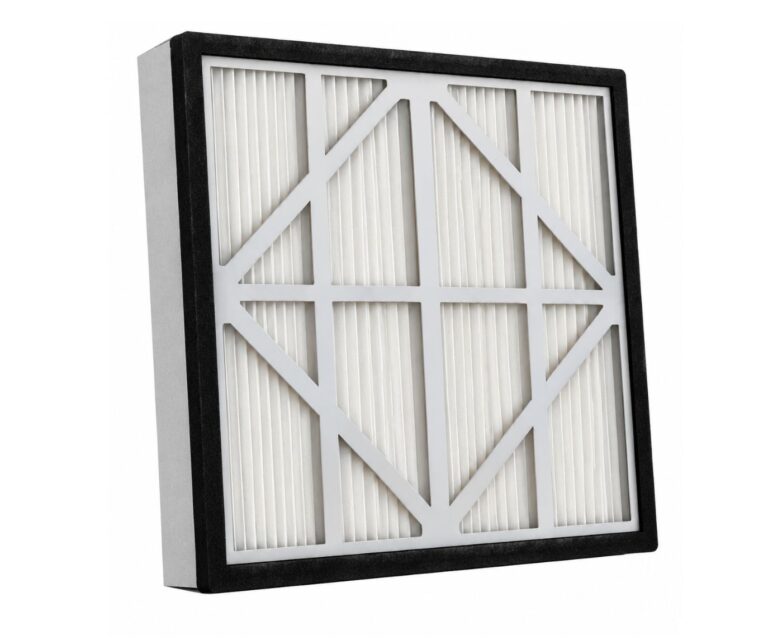
Captures 99.97% of airborne particles, including fine soot and ash.
- Captures 99.97% of airborne particles
- Traps mould spores and fine dust
- Fits TS AFD 800, 1200 and 2000
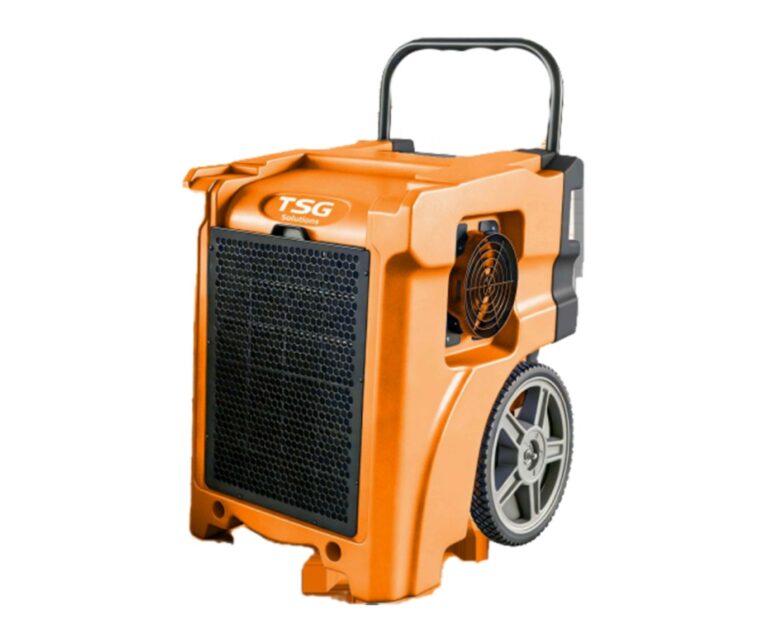
Upright LGR dehumidifier to dry out the water left behind by firefighting.
- Covers 75–186 m³
- Large wheels for transport
- 35 kg
- 3.1 A power draw
Restoration processHow to set up a fire and smoke restoration job
1. Capture soot and particles
Run HEPA air scrubbers during clean-up and demolition to capture fine soot and ash as it’s disturbed.
2. Remove odours
Fit carbon filters to your air scrubbers to absorb smoke odours, gases and volatile compounds from the air.
3. Dry out firefighting water
Water used to put out the fire soaks into floors and walls. Air movers and LGR dehumidifiers dry the structure before mould can grow.
FAQsFire and smoke restoration FAQs
Fire restoration jobs typically use HEPA air scrubbers to capture soot particles, carbon filters to remove smoke odours and gases, and drying equipment (air movers and dehumidifiers) for the water used to put the fire out.
Activated carbon absorbs odour molecules, gases and volatile compounds as air passes through it. Fitted to an air scrubber, a carbon filter works alongside the HEPA filter, so the unit deals with both particles and odours.
We supply carbon filters for the TS AFD 800 and TS AFD 1200. Filters for the TS AFD 800 are also sold in bulk boxes.
Yes. H13 HEPA filters capture 99.97% of airborne particles, including fine soot and ash, and the G4 pre-filter catches larger debris first to protect the HEPA filter.
Firefighting leaves a lot of water in carpet, floors and wall cavities. Drying it quickly with air movers and LGR dehumidifiers helps prevent secondary damage like swelling and mould.
Yes. Restoration businesses can apply for a trade account to unlock trade pricing across the range. Once you’re approved, you’ll see trade prices whenever you’re logged in.
ApplicationsMore restoration applications
Get startedGet equipped for fire and smoke jobs
Talk to the Trade Select Group team about air scrubbers, carbon filters and drying equipment for your fire restoration jobs, or apply for a trade account to unlock trade pricing.