A compact vs high capacity LGR dehumidifier decision should start with the drying job, not simply the size of the machine.
For professional restorers, disaster recovery operators and equipment buyers, the right unit depends on how the equipment will be deployed, the type of drying projects being managed and how the machine fits into the wider restoration workflow.
A compact LGR dehumidifier may provide the flexibility needed for residential losses, restricted access areas and mobile restoration teams. A high capacity LGR dehumidifier may provide greater moisture removal capability for larger commercial drying projects and more demanding restoration environments.
The aim is to match equipment capability to real job requirements.
A unit needs enough capacity for the conditions where it will operate while remaining practical to transport, store and deploy. Understanding where compact and high capacity equipment differ makes that decision easier.
LGR Dehumidifier Selection Starts With the Drying Environment
A compact vs high capacity LGR dehumidifier comparison needs to consider the wider drying environment because a dehumidifier works as part of a complete restoration setup.
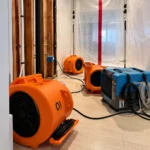
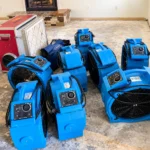
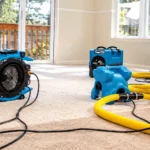
Professional drying equipment can include:
- air movers to increase evaporation;
- dehumidifiers to remove moisture from the air;
- monitoring tools to assess drying progress; and
- additional equipment where filtration or containment is required.
The role of the LGR dehumidifier is to remove moisture from the air and support conditions where affected materials can continue releasing retained moisture.
Different environments create different demands. A small residential water loss, commercial flood response and large scale disaster recovery project may require different equipment approaches.
Rather than asking which dehumidifier is the most powerful, equipment buyers should consider which option provides suitable drying capability for the work they regularly manage.
Compact LGR Dehumidifiers for Mobile Restoration Work
A compact vs high capacity LGR dehumidifier decision often comes down to how important portability is to the restoration workflow.
Compact LGR dehumidifiers can be valuable for businesses that need equipment to move frequently between jobs or through restricted spaces.
They may be useful for:
- residential water damage projects;
- smaller commercial losses;
- restricted access environments; and
- jobs requiring frequent equipment movement.
For mobile restoration teams, equipment dimensions can affect day-to-day deployment.
Technicians may need to move machines through:
- narrow hallways;
- staircases;
- occupied buildings; and
- limited access areas.
A compact unit can simplify transport and positioning when matched correctly to the drying requirements of the job.
Portability should not replace capacity as a consideration. The unit still needs to provide suitable drying capability for the environment where it will operate.
High Capacity LGR Dehumidifiers for Larger Drying Operations
A compact vs high capacity LGR dehumidifier comparison changes when the project involves greater moisture-removal requirements.
High capacity LGR dehumidifiers may be considered for:
- large residential losses;
- commercial properties;
- multi room drying projects;
- disaster recovery operations; and
- extended restoration work.
These environments may involve larger affected areas, greater moisture loads or more complex drying conditions.
Additional capacity can support these requirements, but larger equipment also introduces practical considerations around transport and deployment.
Businesses should consider:
- vehicle capacity;
- storage requirements;
- equipment handling;
- crew availability; and
- job frequency.
High capacity equipment provides the most practical value when its moisture removal capability matches the type of work the business regularly performs.
Comparing Compact vs High Capacity LGR Dehumidifiers
A compact vs high capacity LGR dehumidifier comparison becomes clearer when capacity is considered alongside access, transport and fleet requirements.
| Consideration | Compact LGR dehumidifier | High capacity LGR dehumidifier |
| Access | Useful where access is restricted | Requires more consideration around positioning and handling |
| Transport | Easier to move frequently between jobs | May require greater transport capacity |
| Vehicle space | Smaller footprint can support mobile operations | Requires more available vehicle or storage space |
| Typical job context | Smaller affected areas and flexible deployment | Larger or more demanding drying environments |
| Fleet role | Flexible option for varied jobs | Additional moisture removal capability for higher demand projects |
The comparison does not establish one option as universally better. The value of each unit depends on how closely it matches the project and restoration workflow.
Portability and Deployment
Compact LGR units can be easier to transport and deploy where equipment moves regularly between locations.
This can benefit contractors working across residential environments, restricted access sites or jobs where vehicle space is limited.
WorkSafe Victoria reports that musculoskeletal disorders account for more than 40% of all injury claims in Victoria. For restoration businesses regularly loading, unloading and positioning equipment, this reinforces the importance of considering handling and deployment requirements alongside drying capacity.
High capacity units may require more planning around transport and positioning, but that can be appropriate where the drying environment requires additional moisture removal capability.
Moisture Removal Requirements
High capacity equipment may be more appropriate where projects involve larger moisture loads, larger affected areas or demanding commercial environments.
Capacity should still be considered in the context of the individual project rather than used as the only selection criterion.
Fleet Flexibility
Having access to different equipment capacities can allow restoration businesses to match units more closely to individual projects.
A varied fleet can support:
- equipment utilisation;
- job flexibility;
- response capability; and
- operational planning.
The supplied information does not establish a specific combination or quantity of units that every restoration business should own.
Matching LGR Dehumidifiers to Common Restoration Scenarios
A compact vs high capacity LGR dehumidifier decision can also be approached by looking at the environments where the equipment will be used.
Residential Water Damage Restoration
Residential projects often involve varied layouts, restricted access and changing job conditions.
Compact LGR dehumidifiers can be useful where:
- space is restricted;
- equipment needs to move frequently; and
- jobs involve smaller affected areas.
For these environments, the equipment decision needs to balance drying capability with practical deployment.
Commercial Water Removal and Drying
Commercial environments can involve larger spaces and more complex drying requirements.
Examples identified in the supplied material include:
- offices;
- retail locations;
- warehouses; and
- large facilities.
These projects may require higher capacity drying equipment where larger drying zones or longer operational periods create greater moisture removal requirements.
The appropriate equipment still depends on the conditions of the individual project.
Disaster Recovery Operations
Disaster recovery work can involve significantly different conditions from one response to another.
A project may involve:
- multiple affected areas;
- different building types; and
- several drying environments.
For these operators, access to compact and high capacity equipment can provide flexibility when responding to different project requirements.
Fleet planning becomes important because equipment needs to be allocated according to the conditions teams encounter.
A Final Checklist Before Choosing Compact or High Capacity Equipment
A compact vs high capacity LGR dehumidifier purchase should consider more than capacity ratings.
Before selecting equipment, consider the following questions.
Transport Requirements
How easily can the unit be moved between the locations where it will be used?
Vehicle Space
Will the equipment fit alongside the other restoration tools required on the job?
Job Frequency
Will the unit support common restoration projects or primarily occasional, specialised work?
Existing Fleet Capability
Does the equipment fill an existing gap or duplicate capability already available?
Future Requirements
Will the equipment continue to support the types of projects the business expects to manage?
These questions help equipment buyers compare the practical role of each unit within the wider restoration operation.
Selecting the Right LGR Dehumidifier for Your Restoration Fleet
A compact vs high capacity LGR dehumidifier decision ultimately depends on the work the restoration business needs to support.
Compact LGR units can provide flexibility for mobile restoration work, restricted access environments and smaller affected areas.
High capacity equipment can provide additional moisture removal capability for larger losses, commercial drying and disaster recovery projects.
Businesses managing different project types may benefit from access to different equipment capacities so they can respond to changing restoration requirements.
When comparing options, consider:
- typical job size;
- drying environments;
- transport limitations;
- crew requirements; and
- anticipated workload.
TSG Solutions provides professional LGR dehumidifiers for restoration drying applications, including equipment options suited to different operational requirements.
Explore the LGR dehumidifier range or contact TSG Solutions to discuss equipment options for your restoration business.
Questions Equipment Buyers Ask About LGR Dehumidifiers
Is a High Capacity LGR Dehumidifier Always Better?
A compact vs high capacity LGR dehumidifier comparison does not identify one option as suitable for every project.
The appropriate choice depends on the drying environment, moisture removal requirements, transport limitations and how the equipment fits within the wider fleet.
When Should a Restoration Business Choose a Compact LGR Dehumidifier?
Compact units can be suitable where portability, restricted access and frequent movement between jobs are important considerations.
The unit still needs to provide suitable drying capability for the conditions where it will operate.
When Are High Capacity LGR Dehumidifiers Useful?
High capacity units may support larger drying environments where greater moisture removal capability is required.
The supplied material identifies large residential losses, commercial properties, multi room projects, disaster recovery and extended restoration work as potential applications.
Should Restoration Companies Own Different Dehumidifier Sizes?
Different restoration projects create different drying, access and deployment requirements.
The supplied material indicates that having access to different equipment capacities can improve fleet flexibility. It does not establish a specific number or combination of units that every business should own.
How Does an LGR Dehumidifier Work With Other Restoration Equipment?
LGR dehumidifiers remove moisture from the air, while air movers increase evaporation from affected materials.
The equipment performs different but connected roles within the structural drying process.