An LGR dehumidifier for water damage should be selected according to how and where it will be used, not simply by choosing the machine with the highest extraction capacity.
For restoration contractors, fleet managers and commercial drying operators, the right equipment depends on the types of losses it needs to support, where it will be deployed and how it fits into day-to-day operations.
A compact unit may provide the portability needed for residential jobs and restricted access areas. A higher capacity unit may be better suited to larger losses where greater moisture removal capability is required.
The challenge is finding the right balance between drying capability and practical considerations such as transport, storage, deployment and fleet management.
Understanding how capacity, portability and job requirements relate to each other can help restoration professionals make more informed equipment decisions.
Why Dehumidifier Selection Requires More Than Looking at Capacity
An LGR dehumidifier for water damage needs to suit the conditions in which it will operate. Capacity is an important specification, but it does not determine suitability on its own.
A restoration project can involve several variables:
- the amount of moisture present;
- the affected building materials;
- the size and layout of the area;
- temperature and humidity conditions;
- equipment access and placement requirements; and
- how quickly the job needs to progress.
A larger unit may provide greater moisture removal capability but require more storage space, transport capacity or handling consideration.
A smaller unit may be easier to move between jobs while still being suitable for particular restoration scenarios.
The best equipment choice comes from matching drying capability with the practical requirements of the work.
Understanding the Role of LGR Dehumidifiers in Structural Drying
An LGR dehumidifier for water damage removes moisture from the air during professional structural drying.
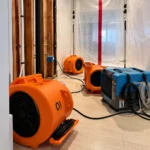
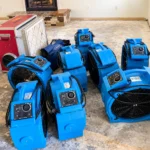
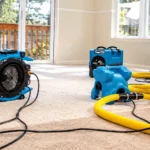
As affected materials release retained moisture, that moisture moves into the surrounding air. Air movers support evaporation by creating airflow across wet materials, while LGR dehumidifiers remove moisture from the environment.
WorkSafe Queensland recommends maintaining indoor relative humidity between 30% and 50% to help control excess moisture and mould, and recommends using a dehumidifier where a building tends to become damp. This provides useful context for the role humidity control plays in managing moisture within indoor environments.
Together, these functions support a continuing drying cycle:
Together, these functions support a continuing drying cycle:
- Air movement supports evaporation from affected materials.
- Moisture enters the surrounding air.
- The dehumidifier removes moisture from that air.
- Drier air can continue accepting moisture released from affected materials.
For equipment selection, the important point is that a dehumidifier operates as part of a wider drying system. Its capacity needs to be considered alongside the job conditions and the other equipment being used.
Comparing LGR Dehumidifier Capacity for Different Water Damage Jobs
An LGR dehumidifier for water damage can play different roles depending on its capacity, portability and the conditions of the project.
Neither a compact nor higher capacity unit is automatically the better choice. The appropriate option depends on where the equipment will be used and what the restoration team needs it to do.
| Job consideration | Compact LGR option | Higher capacity LGR option |
| Access | Useful where access is restricted | Placement and handling need to be considered |
| Transport | Easier to move between jobs | May require more transport capacity |
| Vehicle space | Useful where available space is limited | May occupy more available vehicle or storage space |
| Job environment | Can suit smaller affected areas and flexible deployment | May suit larger losses and more demanding drying environments |
| Fleet role | Provides a flexible option within a broader fleet | Provides additional moisture removal capability where required |
The table provides a practical comparison rather than a fixed sizing recommendation. Actual equipment selection still depends on project conditions.
Compact LGR Dehumidifiers for Flexible Restoration Work
An LGR dehumidifier for water damage in a compact format can be useful when portability and access are important.
Compact units may suit situations where:
- access is limited;
- equipment needs to move frequently between locations;
- jobs involve smaller affected areas; or
- vehicle space is restricted.
For restoration businesses managing residential water losses, portability can influence how efficiently equipment is transported, positioned and recovered.
Compact does not mean unsuitable. A smaller unit can form an effective part of a broader fleet when matched to appropriate project conditions.
Higher Capacity LGR Dehumidifiers for Larger Losses
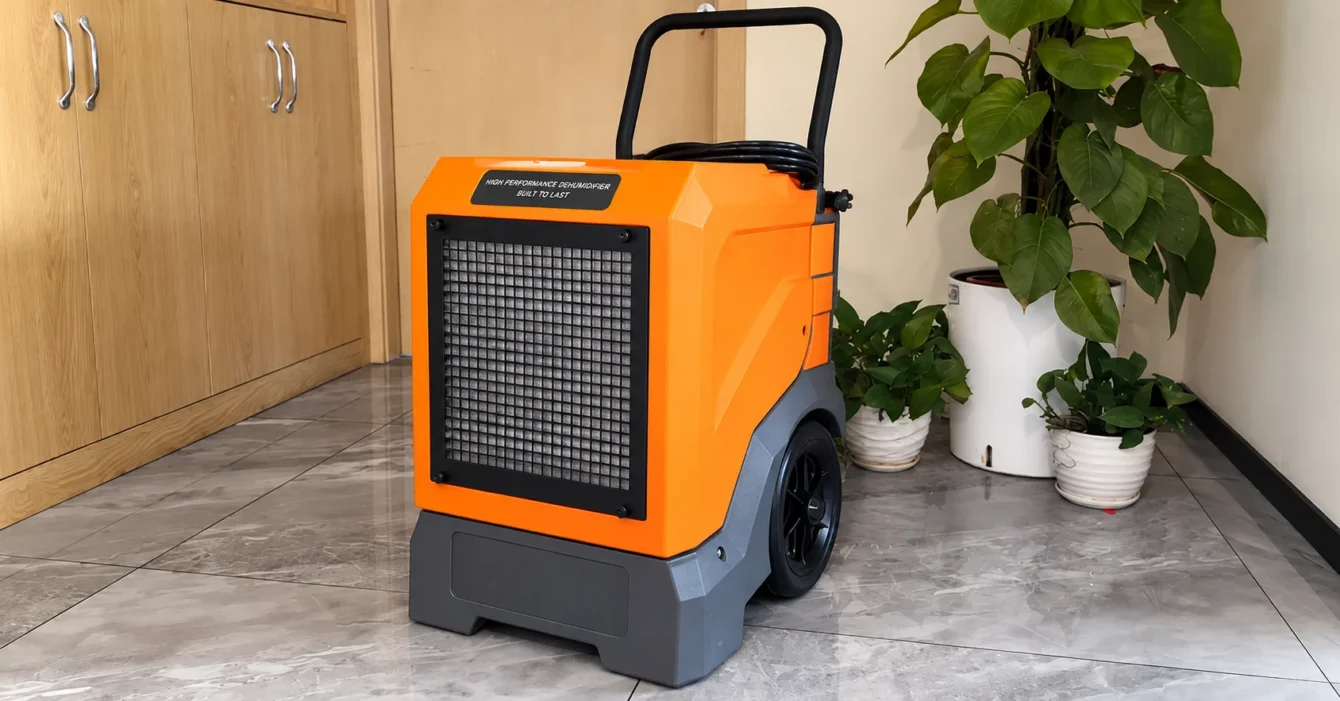
An LGR dehumidifier for water damage with greater capacity may be considered where larger losses create higher moisture removal requirements.
Potential applications identified in the supplied material include:
- large residential losses;
- commercial properties;
- multi room drying projects;
- insurance restoration work; and
- extended drying operations.
These environments may involve larger affected areas and greater operational demands.
Capacity still needs to be considered alongside transport, placement and handling. A higher capacity unit needs to work within the practical requirements of the restoration team and project.
Balancing Portability Against Drying Capability
An LGR dehumidifier for water damage is frequently moved between changing restoration environments, making portability an important part of equipment selection.
Technicians may need to move equipment:
- between different properties;
- through narrow access points;
- across multiple floors; and
- into occupied buildings.
When evaluating portability, contractors should consider how the equipment will fit into everyday operations.
Transport Requirements
Consider how easily the equipment can be loaded, moved and positioned.
Equipment that regularly travels between projects needs to fit the transport arrangements available to the business.
Vehicle Space
Consider how much room the dehumidifier takes compared with the other equipment required for the same project.
Vehicle capacity can affect how much drying equipment a team can carry at one time.
Crew Requirements
Consider how technicians will handle the equipment during deployment and recovery.
Equipment selection needs to account for the practical requirements of moving and positioning the unit on site.
Job Frequency
Consider whether the equipment will be moved regularly or remain deployed on longer term projects.
The importance of portability can vary according to how frequently a unit moves through the fleet.
Choosing an LGR Dehumidifier Based on Job Size
An LGR dehumidifier for water damage should be matched to the conditions and operational requirements of the projects a business regularly handles.
Residential Water Damage Projects
Residential drying jobs can involve access limitations and varied building layouts.
Contractors may need equipment suitable for environments such as:
- homes;
- apartments;
- bathrooms;
- kitchens; and
- smaller affected areas.
In these situations, portability and flexibility may be important alongside moisture removal capacity.
Commercial and Multi Room Drying Projects
Commercial environments can create more complex drying requirements.
Larger affected areas may require equipment capable of supporting more demanding drying conditions while operating alongside multiple air movers.
Equipment planning should consider job size, building layout and moisture conditions rather than relying on a single factor when choosing a dehumidifier.
Large Scale Restoration Operations
For commercial drying operators and larger restoration contractors, selecting an LGR dehumidifier for water damage can also become a fleet management decision.
Relevant considerations include:
- how many units are available;
- which crews require access;
- how equipment is allocated between jobs; and
- whether the fleet can respond to larger losses.
Equipment selection should support current workload requirements while allowing the business to consider how its fleet may need to develop over time.
Common Mistakes When Selecting Water Damage Drying Equipment
An LGR dehumidifier for water damage should be assessed against the full requirements of the project and restoration fleet.
Choosing Based Only on Extraction Numbers
Extraction capability is important, but it is only one part of the decision.
The dehumidifier also needs to suit the environment where it will operate, how it will be transported and the types of projects it will support.
Buying the Largest Available Unit
The largest machine is not automatically the most suitable choice.
Storage, transport, access, handling and job requirements can all influence the practical value of a dehumidifier.
Ignoring Fleet Balance
A dehumidifier operates as part of a broader structural drying setup.
Restoration businesses should consider how a new unit works alongside air movers and existing drying equipment rather than assessing it in isolation.
Failing to Consider Future Requirements
Equipment purchases can remain part of a restoration fleet as business requirements change.
Contractors should consider anticipated job types, crew requirements and service expansion when deciding whether a particular unit fits their longer term equipment plans.
Future requirements should inform the decision without replacing the need for equipment that has a practical role in the current fleet.
How to Select the Right LGR Dehumidifier for Your Restoration Fleet
An LGR dehumidifier for water damage should balance drying capability with the operational requirements of the restoration business.
Before purchasing, consider:
- the types of losses regularly handled;
- typical drying environments;
- transport limitations;
- existing equipment; and
- future fleet requirements.
A well planned fleet can combine different equipment capabilities rather than relying on one dehumidifier type for every situation.
TSG Solutions offers LGR dehumidifiers for professional restoration applications, including equipment options suited to different drying requirements.
Explore the LGR dehumidifier range or contact TSG Solutions to discuss equipment selection based on your restoration workflow.
Questions Restoration Professionals Ask About LGR Dehumidifiers
What Size LGR Dehumidifier Do I Need for Water Damage?
An LGR dehumidifier for water damage should be selected according to factors such as moisture load, affected materials, environmental conditions and the size of the drying area.
The supplied information does not provide a universal sizing formula or capacity recommendation, so a specific unit size should not be assumed from area alone.
Is a Larger Dehumidifier Always Better for Restoration Work?
No single dehumidifier size is identified in the supplied material as suitable for every restoration project.
A larger unit may provide greater capacity, but portability, storage, access and job suitability also influence equipment selection.
Why Are LGR Dehumidifiers Used for Structural Drying?
LGR dehumidifiers remove moisture from the air during professional drying projects.
This supports the drying cycle as moisture moves from wet materials into the surrounding environment.
Should Restoration Businesses Own Multiple Dehumidifier Sizes?
Different restoration projects can create different drying and operational requirements.
The supplied information indicates that having access to different equipment options can provide flexibility, but it does not establish a specific number or combination of dehumidifiers that every business should own.
How Do Air Movers and LGR Dehumidifiers Work Together?
Air movers support evaporation by creating airflow across affected materials, while LGR dehumidifiers remove moisture from the surrounding air.
The two equipment categories perform different but connected roles within the structural drying process.