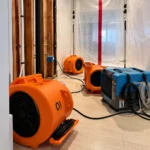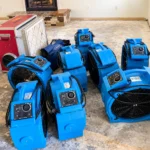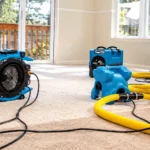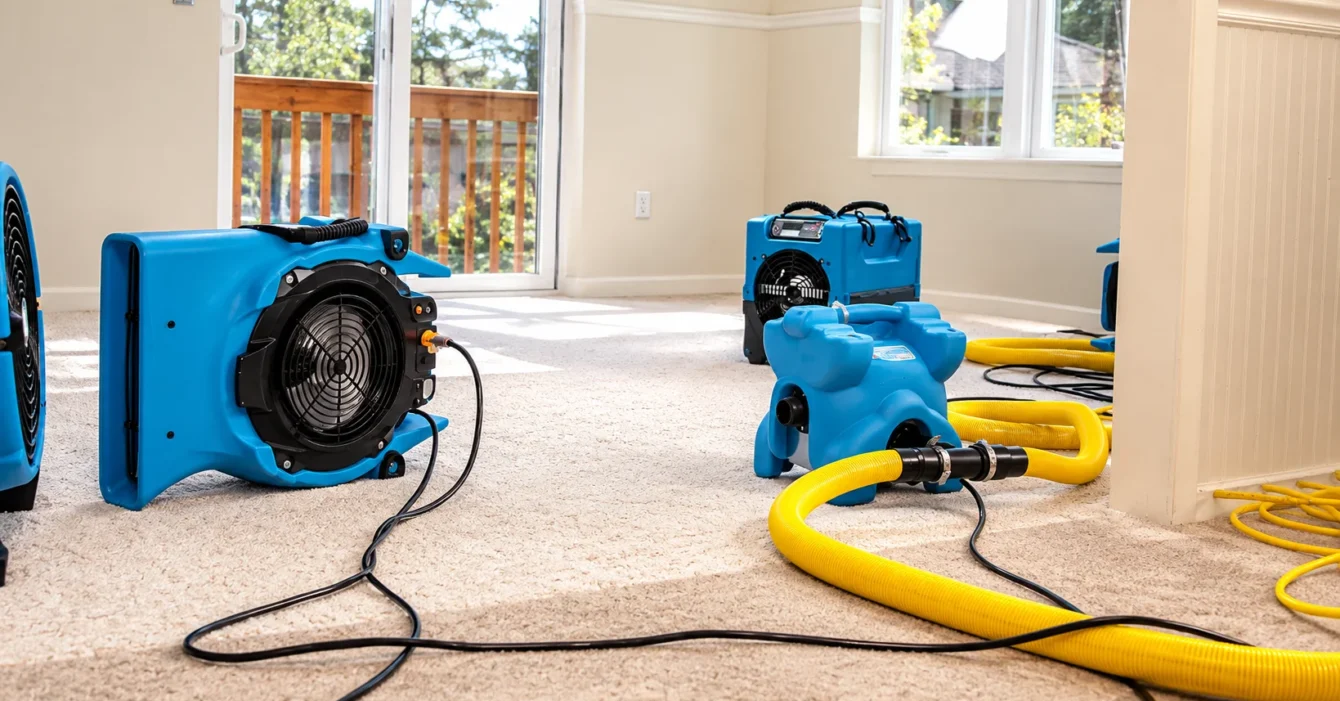
Restoration equipment for sale should be evaluated against the way your business actually operates, not simply individual machine specifications.
Whether you are expanding an established fleet, replacing ageing machines or preparing for higher job volumes, every purchase affects operational capacity. The wrong equipment can leave capital tied up in machines that do not match your workload, take up valuable vehicle space or provide limited flexibility on site.
Professional restoration contractors need equipment that fits their job types, crew structure, transport requirements and future plans. A machine that looks suitable on paper may provide limited operational value if it cannot be deployed efficiently across regular restoration work.
A well-planned fleet balances:
- equipment capability;
- portability;
- job suitability;
- utilisation; and
- future expansion.
The goal is to build capacity with equipment that crews can use, transport, store and deploy effectively.
Buying Restoration Equipment Starts with Understanding Your Operational Needs
Restoration equipment for sale should first be assessed against the work your business completes most frequently.
A contractor handling residential water losses may have different requirements from an equipment hire business supplying multiple operators. Likewise, a company managing insurance restoration projects may need equipment capacity that supports larger and longer-running jobs.
Before purchasing equipment, consider:
- the size of typical restoration projects;
- the number of crews using equipment;
- the locations where equipment operates;
- available vehicle and storage space; and
- how often the equipment is likely to be deployed.
Equipment that is regularly used contributes directly to operational capability. Equipment that rarely leaves storage can tie up capital while providing limited practical value.
A Practical Restoration Equipment Buying Framework
Before comparing individual machines, assess how each option would fit into the wider fleet.
| Buying consideration | Question to ask |
| Utilisation | How often is this equipment likely to be deployed? |
| Job fit | Which regular restoration jobs will it support? |
| Portability | Can crews transport and position it efficiently? |
| Fleet compatibility | Does it complement the equipment already in use? |
| Storage | Can it be stored without creating operational problems? |
| Future requirements | Will it remain useful as workloads and service requirements change? |
Using these questions helps shift the purchasing decision away from individual specifications and towards operational value.
Choose Restoration Equipment Based on Fleet Utilisation, Not Individual Specifications
Restoration equipment for sale often comes with specifications that make individual machines easy to compare. Those figures are useful, but they do not tell the complete story.
A restoration fleet works as a system, with different equipment performing different roles:
- LGR dehumidifiers remove moisture from the air.
- Air movers increase evaporation through controlled airflow.
- Air filtration devices support controlled environments where required.
The purchasing decision should therefore consider how a machine fits into the wider fleet.
Before adding equipment, ask:
- Can technicians transport it efficiently?
- Does it suit the types of jobs the business regularly accepts?
- Can it support the requirements of multiple crews?
- Does it complement existing equipment?
The most valuable option is not necessarily the largest or most powerful machine. Its value depends on whether it provides useful capability when and where the business needs it.
Core Restoration Equipment Categories to Consider
Restoration equipment for sale can support different parts of the drying and restoration process. When comparing equipment categories, focus on how each one fills an operational requirement within the fleet.
LGR Dehumidifiers for Professional Water Restoration
LGR dehumidifiers are a central part of water restoration equipment because they help control moisture during structural drying.
When materials become wet, moisture moves into the surrounding air. LGR dehumidifiers support the drying process by extracting moisture from the air and helping create conditions where wet materials can continue releasing moisture.
When evaluating dehumidification equipment, consider:
- typical job sizes;
- moisture load;
- available transport capacity;
- crew requirements; and
- deployment frequency.
Businesses managing different types of losses may benefit from access to different equipment capacities, allowing teams to match equipment more closely to project requirements.
The TS 30 LGR Dehumidifier is identified in the supplied material as a compact option for contractors looking to add portable moisture removal capability to their fleet.
The purchasing decision should consider more than capacity alone. The machine also needs to suit the environments where crews will transport and use it.
Air Movers for Flexible Drying Capability
Restoration equipment for sale in the air mover category should be assessed according to both drying requirements and operational practicality.
Air movers increase airflow across affected materials, helping moisture move from surfaces into the air where it can be removed through dehumidification.
When comparing air movers, consider:
- size and portability;
- storage requirements;
- power requirements;
- ease of movement between jobs; and
- suitability for different environments.
A fleet operating across residential, commercial and insurance restoration projects may require different air mover options.
Compact equipment can be useful where access or storage is restricted, while larger-capacity equipment may suit more demanding commercial applications. The right balance depends on the environments and projects the business regularly handles.
Air Filtration Equipment for Expanded Restoration Services
Restoration equipment for sale may also include filtration equipment for projects that require air management alongside moisture removal.
Mould remediation, controlled work areas and certain restoration environments may require filtration equipment where managing airborne particles forms part of the restoration process.
When evaluating filtration equipment, consider:
- containment requirements;
- job environment;
- equipment transport; and
- replacement filter availability.
Filtration performs a different role from dehumidification and air movement. Businesses handling a wider range of restoration scenarios can consider whether adding filtration capability would address an existing operational requirement.
Building a Fleet That Fits Vehicle Space and Job Requirements
Restoration equipment for sale should also be assessed according to how crews will transport, deploy and recover it.
Vehicle capacity can easily be overlooked when purchasing equipment. A machine may perform well on site but create logistical problems if it restricts how much equipment technicians can carry.
For mobile restoration teams, consider:
- how much equipment each vehicle can carry;
- how technicians move equipment on site;
- whether equipment can be stored efficiently; and
- how quickly crews can deploy and recover machines.
Portability affects day-to-day operations. Equipment that can be transported, organised and deployed efficiently can reduce the logistical burden on mobile teams.
Safe Work Australia reported a median of 7.2 working weeks lost for serious workers’ compensation claims in 2022–23. For restoration businesses, this broader workplace data reinforces the value of considering how equipment is transported, handled and deployed as part of day-to-day operational planning.
This makes vehicle and storage requirements part of the purchasing decision rather than something to address after equipment has been bought.
Avoid These Common Restoration Equipment Purchasing Mistakes
Restoration equipment for sale can represent a substantial business investment, making it important to assess each purchase against the wider fleet.
Buying Equipment Without a Fleet Plan
Purchasing machines individually whenever a problem appears can create an inconsistent fleet.
Without a broader plan, businesses may develop equipment gaps, make duplicate purchases or acquire machines that do not suit their most common jobs.
A fleet plan connects individual purchases to operational requirements and existing equipment.
Choosing Equipment That Is Too Limited for Future Growth
Equipment purchases should consider current requirements alongside where the business intends to expand.
A contractor moving towards larger restoration projects may eventually require capabilities beyond those needed for its present workload.
Future requirements should inform the purchasing decision without encouraging businesses to buy equipment that has no clear current or anticipated use.
Overlooking Equipment Mobility
Restoration equipment for sale still needs to work within real job-site and transport conditions.
Larger equipment may provide useful capability, but difficult transport or poor suitability for common job environments can reduce utilisation.
Portability should therefore be assessed alongside equipment performance.
Focusing Only on Purchase Price
Purchase price is one part of an equipment investment.
Businesses should also consider:
- how frequently the equipment will be used;
- how many jobs it can support;
- maintenance requirements;
- replacement needs; and
- operational benefits.
A purchasing decision should consider what the equipment contributes to the business over time, not simply its initial cost.
How Established Restoration Businesses Can Expand Equipment Capacity
Restoration equipment for sale can help established contractors address capacity gaps, but fleet expansion should start with a review of current operations.
Current Equipment Utilisation
Identify which machines are heavily used, where shortages occur and where additional equipment could improve capacity.
This helps direct investment towards demonstrated operational requirements rather than adding machines without a defined role.
Future Service Requirements
Consider whether the business plans to take on larger losses, operate additional crews or expand into restoration services that require different equipment.
Future plans can help identify where additional capacity may eventually be required.
Equipment Compatibility
New purchases should work alongside existing equipment rather than creating isolated capabilities.
Consider what is already available in the fleet and whether the new machine fills a genuine gap or duplicates equipment that is already underused.
Operational Efficiency
Equipment investments should support efficient job delivery and deployment flexibility.
As a fleet expands, transport, storage, maintenance and allocation across crews also need to remain manageable.
The objective is to increase useful capacity without making the fleet unnecessarily complicated to operate.
Build a Restoration Equipment Fleet That Supports Long-Term Growth
Restoration equipment for sale should ultimately be selected according to the requirements of the business buying it.
Before investing in new equipment, consider:
- how often it will be used;
- which jobs it will support;
- how easily crews can transport it; and
- whether it strengthens current or future capability.
A well-planned purchase fills a genuine operational need and works effectively alongside the equipment already in the fleet.
TSG Solutions provides professional restoration equipment for water damage restoration, drying and remediation workflows.
Explore the restoration equipment range to compare options against your operational requirements, or contact TSG Solutions to discuss equipment for your fleet.
Questions Restoration Businesses Ask Before Buying Equipment
How Do I Choose the Right Restoration Equipment for My Business?
Restoration equipment for sale should be assessed according to the services your business provides, the jobs you typically complete, your crew structure and how equipment will be transported and deployed.
Specifications matter, but they should be considered alongside utilisation, portability, job fit and compatibility with the rest of the fleet.
Should I Buy Individual Restoration Machines or a Complete Equipment Package?
The best approach depends on your current fleet and business requirements.
Individual purchases may address specific equipment gaps, while planned equipment packages can help businesses consider how different machines work together and support wider operational requirements.
What Restoration Equipment Should Established Contractors Invest in First?
Businesses should prioritise equipment that supports their most common restoration jobs and addresses current capacity limitations.
The supplied information does not establish one equipment category as the correct first purchase for every contractor.
How Important Is Portability When Buying Restoration Equipment?
Portability affects how teams transport, deploy and recover equipment.
For mobile restoration operations, vehicle capacity, storage requirements and movement on site should be considered alongside equipment performance.
How Can Restoration Businesses Avoid Buying Equipment They Do Not Use?
Review job history, current equipment utilisation, crew requirements and future plans before purchasing additional machines.
Connecting purchases to demonstrated operational needs can help businesses avoid adding equipment without a clear role in the fleet.